Hydrogen news
Is hydrogen combustion in natural gas plants still a thing?
Headlines have been drifting away from the subject, but have researchers? Natural gas, despite is clean-sounding name, is a fossil fuel compound made primarily of methane, so many researchers and utilities have been looking into using hydrogen combustion as an alternative in order to substantially shrink the carbon emissions resulting from their operations. It sounds easier than it is Though swapping out natural gas in favor of hydrogen combustion sounds straightforward, there are a number of complicating factors that must be overcome. It would appear that the change should be a matter of cu…
Headlines have been drifting away from the subject, but have researchers?
Natural gas, despite is clean-sounding name, is a fossil fuel compound made primarily of methane, so many researchers and utilities have been looking into using hydrogen combustion as an alternative in order to substantially shrink the carbon emissions resulting from their operations.It sounds easier than it is
Though swapping out natural gas in favor of hydrogen combustion sounds straightforward, there are a number of complicating factors that must be overcome. It would appear that the change should be a matter of cutting the supply of natural gas to existing pipelines and flooding them with H2 gas instead. Then the H2 will flow through the pipes to furnaces, water heaters and other heat-producing appliances needed by businesses and homes throughout the region. Simple, right?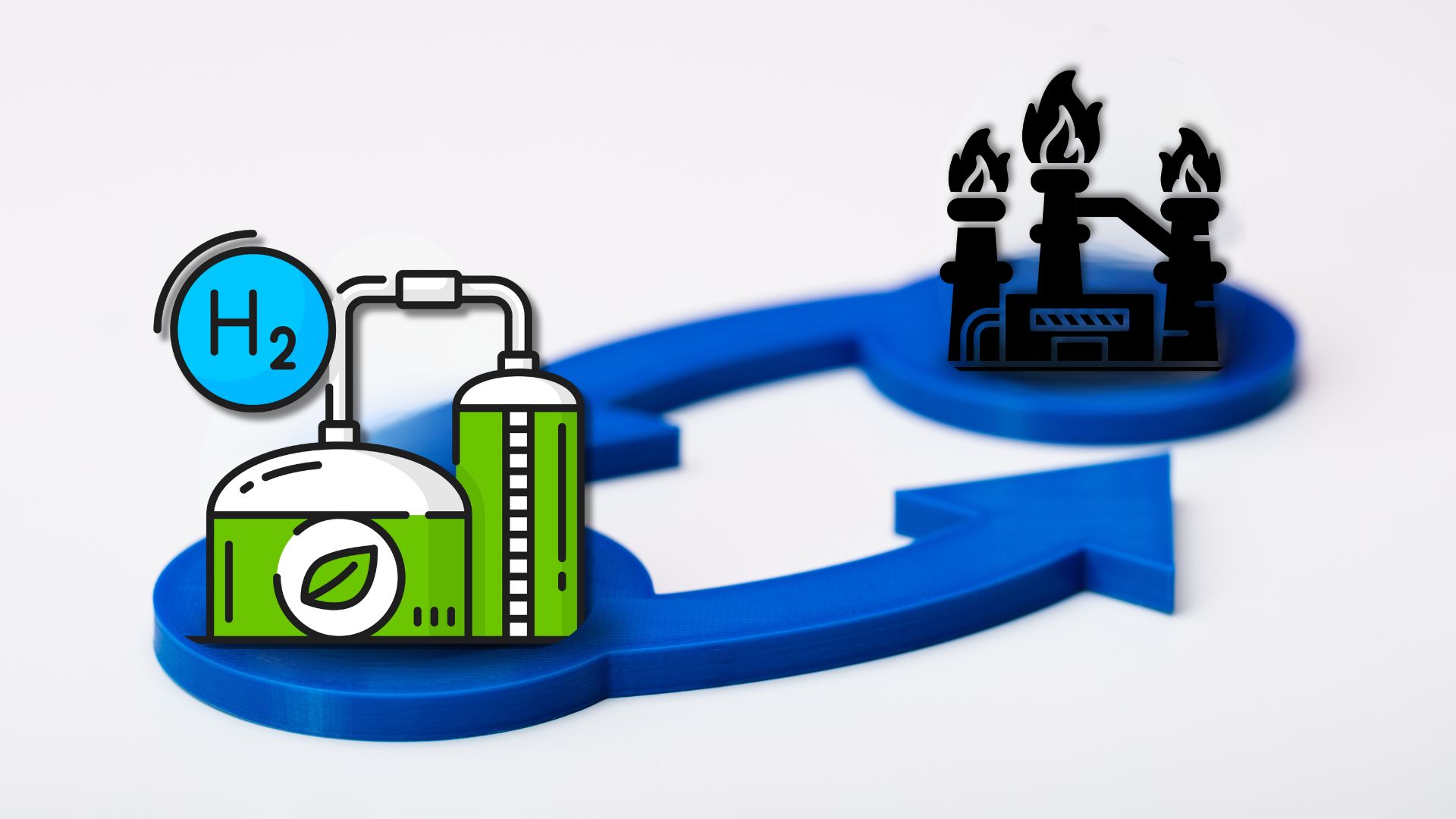 Unfortunately, the differences between H2 and natural gas are great enough that a direct switch in that way isn’t necessarily possible.
At the same time, using H2 using certain existing structures and appliances isn’t impossible, either. To start, many researchers and companies are looking to use blends of the gases for carbon-reducing tests.
Unfortunately, the differences between H2 and natural gas are great enough that a direct switch in that way isn’t necessarily possible.
At the same time, using H2 using certain existing structures and appliances isn’t impossible, either. To start, many researchers and companies are looking to use blends of the gases for carbon-reducing tests.
Hydrogen combustion for gas-fired power plants
Alternate options where H2 can be used in place of natural gas include machinery on a substantially larger scale, such as “hydrogen-capable” gas-fired power plants. This definitely holds promise, except that we’re simply not there yet. According to researchers that published their thoughts in a recent report by the Institute for Energy Economics and Financial Analysis (AEEFA), over the next ten years, any of those plants will operate in part, if not entirely, on natural gas, because the technology, regulations, and understanding of hydrogen combustion simply isn’t there yet.
The top challenge: H2 supply
Even beyond the technology, safety and regulatory challenges is one that is much larger for the moment. That is the challenge of supplying hydrogen combustion equipment with the H2 itself. As of yet, required infrastructure and supply are far from being able to offer reliable supply for largescale use. Fortunately for those invested in the future of H2, there are many large projects focused on establishing infrastructure and supply, and those numbers are continuing to grow. It might take another decade to get going, but the future for burning H2 continues to have notable potential.How was this article?
Thanks for the feedback!