Hopium’s New S++® Plate Boosts Hydrogen Fuel Cell Performance for Heavy-Duty Transport
Hopium integrates its innovative S++® plate into a 100 kW hydrogen fuel cell stack, advancing durability and efficiency for zero-emission heavy-duty transport.
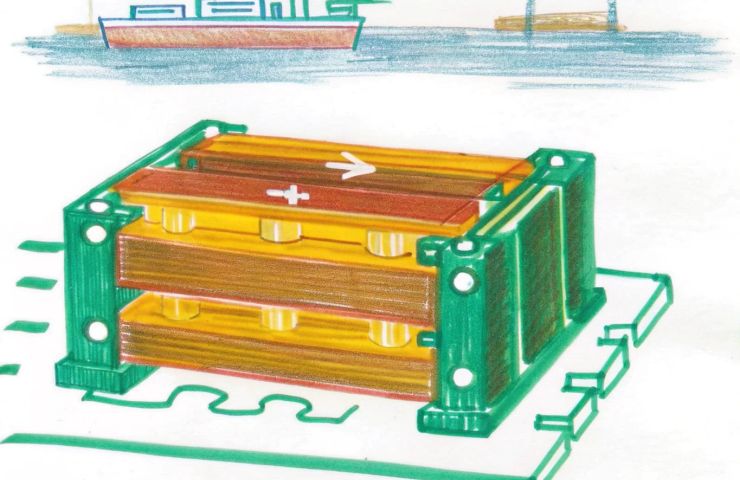
Hydrogen fuel cell technology just took an important step forward—and not a moment too soon. On June 17, 2025, French hydrogen mobility company Hopium dropped some big news: successful test results from integrating its patented S++® plate into its 100kW fuel cell stack. This isn’t just another technical milestone—it’s a major move toward making hydrogen viable for heavy-duty industries chasing serious industrial decarbonization.
Big Power, Small Footprint
At first glance, the S++® plate might sound like just another piece of the hydrogen puzzle. But its impact is anything but minor. Built to squeeze more performance out of hydrogen fuel cells, this smart little plate makes current flow more evenly across the stack and collects energy more efficiently—all without tacking on extra weight.
And in the world of transport (think trucks or ships that run non-stop), weight matters. Heavier components = lower efficiency. Hopium says the S++® also gives engineers sharper insight into pressure and temperature data across the stack, which boosts two of the biggest challenges in hydrogen tech: durability and reliability.
Hydrogen Steps Up for Heavy Transport
So, why does this matter so much? Because heavy-duty transport is one of the last frontiers for decarbonization. Diesel engines still rule this space, and let’s face it—they’re really hard to replace. Battery-electric vehicles often fall short here; they can’t deliver the power or range without compromising on payloads. Enter hydrogen fuel cell solutions, which mix strength with flexibility—especially with innovations like the S++® plate in the mix.
This upgraded fuel cell stack is no weakling either. It tips the scales at just 30 kg, with cells under 1 mm thick. Hopium has completed tests on sealing and electrode performance, and full bench testing is now underway. Real-world road trials are on deck for later this year.
From Breakthrough to Business
Hopium's mission is clear: get this fuel cell system out of the lab and into industrial production by 2025. And after a rough start earlier this year—they entered receivership in 2024—this technical win could be more than a comeback. It might be a lifeline.
CEO Stéphane Rabatel has made it clear that these developments aren’t just about tech—they're about helping France and the EU meet increasingly tough emissions targets. Despite shaky financial footing, pushing forward with scalable fuel cell technology could rekindle investor interest. Key test results are expected by the end of July, with commercial releases planned for early 2025.
Hydrogen on Land, Sea—and Air?
Hopium's not just thinking about highways. Thanks to the flexibility of the S++® plate, there’s serious potential in maritime and aerospace sectors too. These are hard-to-clean-up industries where sustainable energy solutions are in high demand, and where hydrogen’s high energy density could be a game-changer—assuming the tech can deliver on reliability and performance.
One major advantage? The plate is modular, meaning it can be customized to fit a wide range of vehicle platforms. For OEMs, that kind of plug-and-play option makes it way easier to adopt hydrogen tech without overhauling existing designs.
France’s Hydrogen Bet Still On
Hopium was launched in 2019 by Olivier Lombard, a Le Mans champ with a vision to drive France to the top in green hydrogen innovation. The company popped onto the scene with big ideas and bold goals. And despite the financial bumps, they’re not backing down from their core mission: to decarbonize heavy transport with cutting-edge tech. It’s a mission that feels more urgent by the day, especially as the push for zero-emission technology accelerates.
If fuel cells are going to earn their rightful place alongside batteries and other clean alternatives like ammonia-based shipping, they’ll need to hit every box: reliable, lightweight, and efficient. With the S++® plate, Hopium is getting closer to checking them all.
What’s Next?
Keep an eye on Hopium—things are heating up. Lab test results are due out in July, and on-road trials kick off this fall. If those real-world numbers live up to the lab data, we could be looking at a real pivot point for hydrogen fuel cells in global transport.
More than just one company's story, this is a signal to the wider hydrogen economy: smaller players aren’t just surviving—they’re innovating. The next challenge? Finding partners and backers ready to put real money behind a cleaner, high-performance transport future. With the clock ticking on emissions strategy across the globe, that future isn’t just a bet—it’s becoming a necessity.
About Hopium
Hopium is a French hydrogen mobility company, launched in 2019 by race car driver Olivier Lombard. Traded on the Paris stock exchange (EPA: ALHPI), the company focuses on developing high-performance fuel cell systems and hydrogen propulsion technologies. Despite currently being in receivership, Hopium continues advancing its R&D efforts, with an eye on full-scale industrialization by 2025.