EU Commission Ignites Hydrogen Highway with Electrolysis Corridor
The horizon for renewable energy in Europe is brightening as the European Commission approves a significant infrastructure initiative within the framework of the Important Projects of Common European Interest or referred to as IPCEI. Spearheading this initiative is ENERTRAG, set to establish a pioneering "Electrolysis Corridor" in Eastern Germany, further accelerating the region's lead in hydrogen infrastructure development and sustainable energy practices.
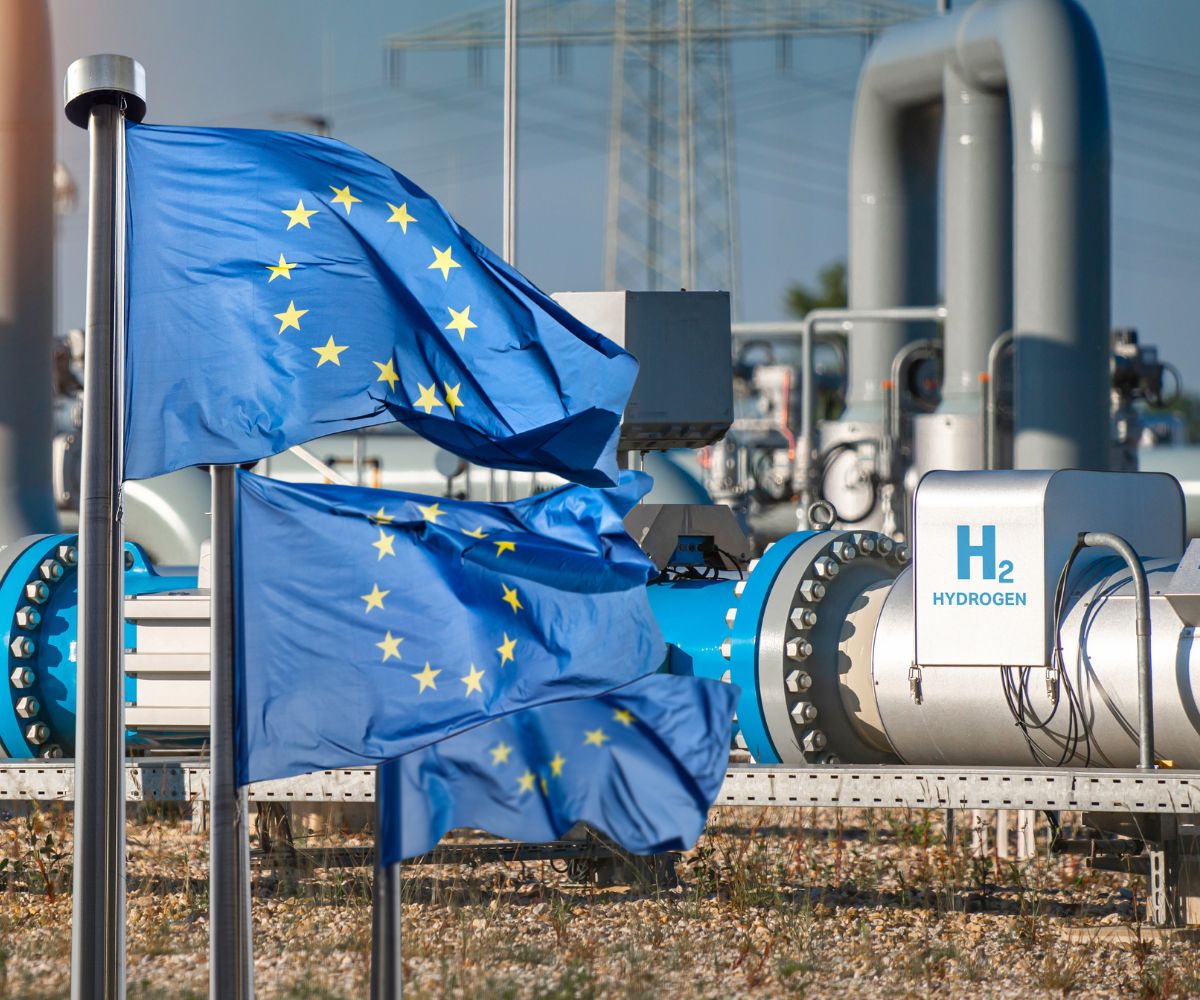
ENERTRAG's 'Electrolysis Corridor' Fuels Hydrogen Infrastructure Growth
The horizon for renewable energy in Europe is brightening as the European Commission approves a significant infrastructure initiative within the framework of the Important Projects of Common European Interest or referred to as IPCEI. Spearheading this initiative is ENERTRAG, set to establish a pioneering "Electrolysis Corridor" in Eastern Germany, further accelerating the region's lead in hydrogen infrastructure development and sustainable energy practices.
IPCEI Hy2Infra Project Wave
Sanctioned by the EU Commission under its third round of IPCEI, the Hy2Infra project is a critical initiative aimed at propelling the development of hydrogen infrastructure throughout Europe. This positions the EU as a leader in energy innovation. ENERTRAG, a prominent renewable energy company, plays a vital role in this significant project. The approval of the Hy2Infra wave by the EU Commission is a pivotal moment for ENERTRAG, moving the company one step closer to a future powered by hydrogen. This endorsement is expected to expedite the establishment of large-scale electrolysis capacity, spurring the growth of hydrogen infrastructure not just in Eastern Germany but across the continent. Beyond its local impact, the Hy2Infra project is perceived as the foundational stone of an integrated, open grid for renewable hydrogen spanning Europe. It encompasses a significant portion of the hydrogen value chain and facilitates the deployment of a substantial 3.2 GW of large-scale electrolysis capacity, thereby endorsing the widespread adoption of green hydrogen. [caption id="attachment_63259" align="alignright" width="2560"]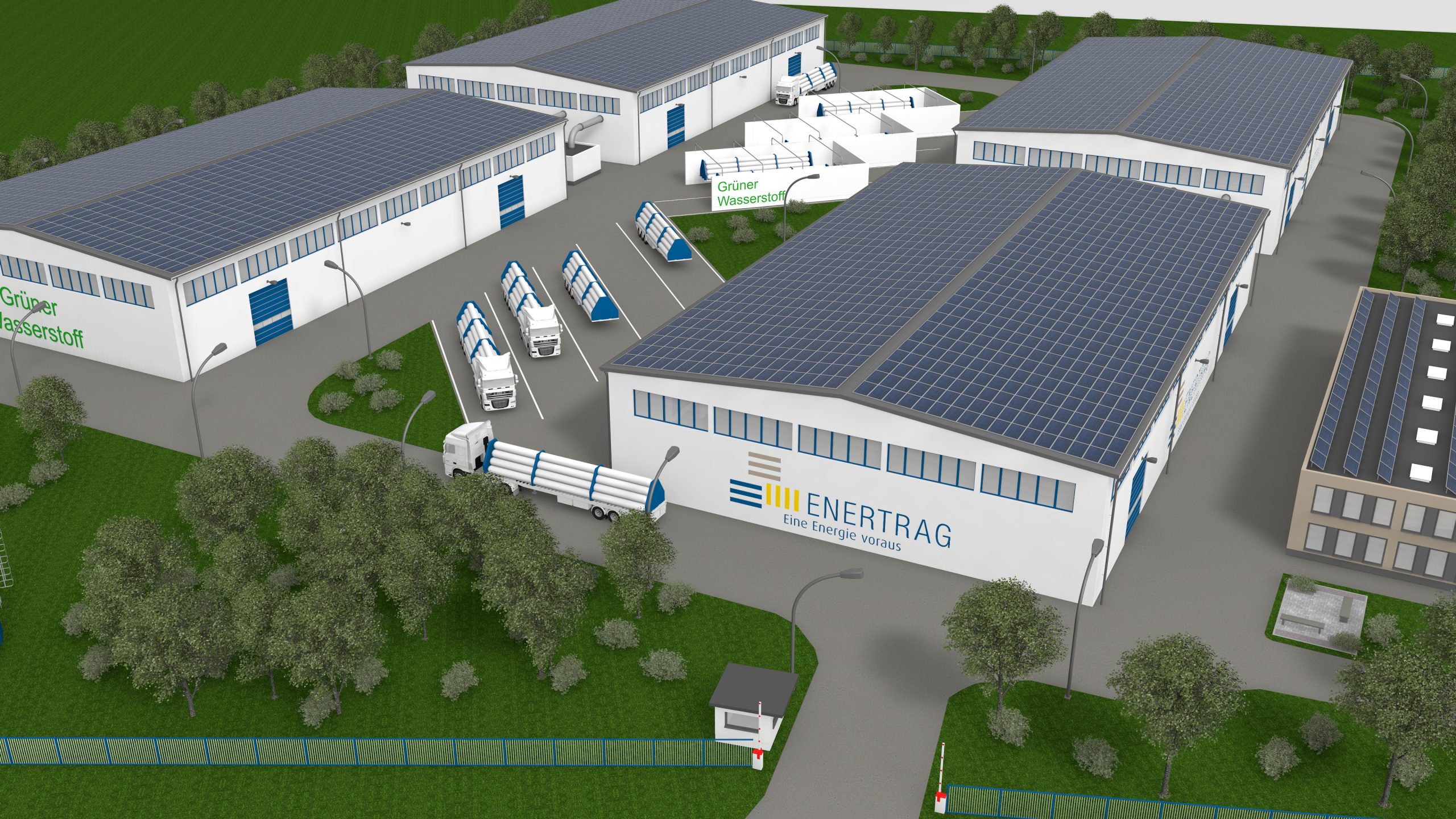 ENERTRAG 3d Electrolysis Corridor East Germany project - Image Credit ENERTRAG[/caption]
ENERTRAG’s Electrolysis Corridor East Germany
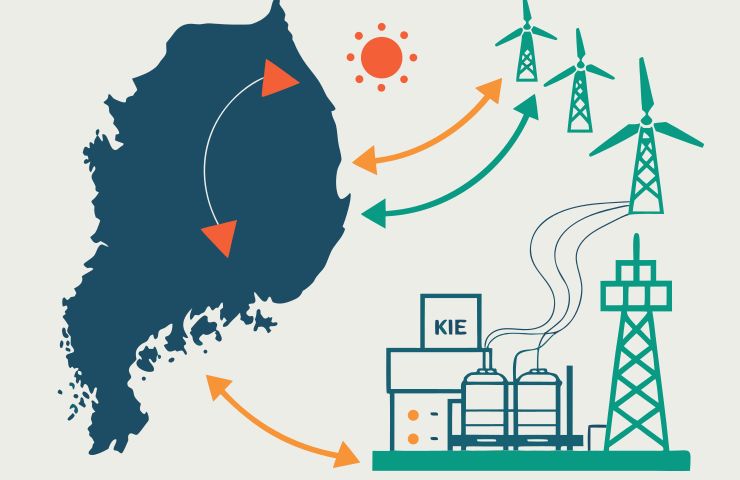
At the core of this advancement is ENERTRAG's "Electrolysis Corridor East Germany," envisaged as a robust 185 MW capacity development. Located strategically in Mecklenburg-Vorpommern and Brandenburg, the corridor is to become a lynchpin for the envisioned hydrogen infrastructure. With state-of-the-art electrolysers, the project ventures into uncharted territory, exploring the potential of hydrogen as more than an alternative source but as the next step in energy evolution.
This corridor will pump life into the region's energy sector, channeling approximately 15,000 tonnes of hydrogen annually into the H2 pipeline, thereby crystallizing Germany's role in the European Green Deal and REPowerEU plan. A synergy of large-scale electrolyzers, pipelines, storage facilities, and terminals forms the bedrock of the project, leveraging renewable assets for the betterment of society and the environment.
An Instrumental Impact on the Energy Sector
The commission's nod of approval to this initiative is set to ripple through the hydrogen industry, energizing Europe’s transition toward cleaner energy alternatives. As a catalyst for change, this corridor will reduce dependency on natural gas, stepping in line with the EU's ambitious climate goals.
A Shift Towards Energy Autonomy
The "IPCEI Hy2Infra" stands as a testament to collaborative European efforts, endorsed by seven EU member states, including powerhouses like France and Germany. The end goal? To fortify domestic hydrogen production and carve a path towards energy autonomy, aligning with Europe's green future.
On the Verge of Realization
With the European Commission's funding approval bestowed upon it, the electrolysis corridor inches closer to actualization amidst high anticipation. Dr. Tobias Bischof-Niemz, leading ENERTRAG's Division of New Energy Solutions, comments on the development:
"With this funding approval, we are poised to anchor the importance of hydrogen infrastructure in Germany solidly. The electrolysis capacities in Brandenburg and Mecklenburg-Vorpommern showcase our commitment to deliver crucial hydrogen to our industrial partners."
The market awaits the next series of funding decisions from Germany's Federal Ministry for Economic Affairs and Climate Protection with bated breath, ready to witness the next leap in Europe's sustainable energy installation.
In Conclusion: A Sustainable Trajectory for European Energy
ENERTRAG's venture into a green future is no mere stride; it is a leap for the hydrogen and broader energy industry in Europe. As the narrative of energy shifts from traditional sources to renewable, the EU, with its endorsement of this monumental project, lays down the tracks for a sustainable drive. It speaks to a united vision where clean, efficient energy is not just a dream, but a structured, actionable reality in the making.