HDF Energy Acquires Full Control of Renewstable Barbados Project: A Step Towards Green Hydrogen Innovation
HDF Energy has taken complete ownership of the Renewstable Barbados project to develop a cutting-edge hybrid renewable energy facility, aiming to provide Barbados with sustainable, stable electricity and reduce dependency on fossil fuels.
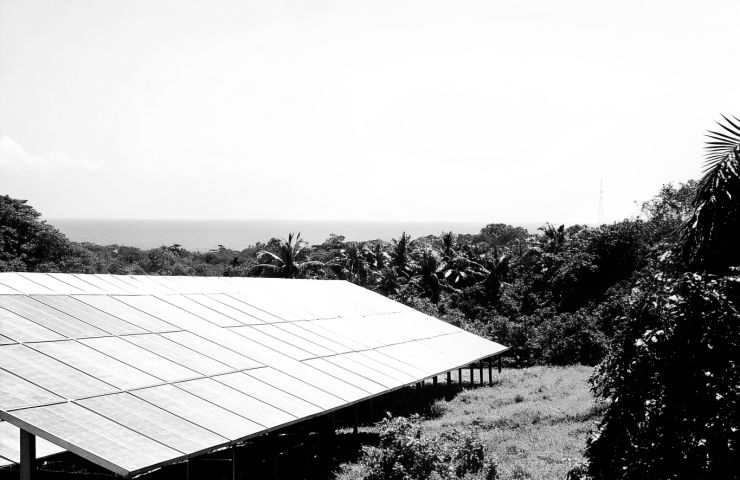
HDF Energy, a French clean energy company, has announced the completion of its acquisition of Rubis’s shares in Renewstable (Barbados) Inc. With that transfer now closed, HDF Energy becomes the sole shareholder of the Renewstable Barbados project. The development seeks to deploy green hydrogen technologies to deliver stable, renewable electricity into the Barbadian grid. At its center will be a 50 MWp solar photovoltaic plant paired with hydrogen production, lithium-ion battery storage and hydrogen fuel cells. The combination is intended to provide continuous power supply while demonstrating a hydrogen-enabled model for island energy systems.
This transaction, consolidated earlier this month, does more than change ownership. It also signals a renewed corporate focus on pushing the project forward through the next stages of development. For Barbados, the asset ranks among the largest proposed hydrogen-powered schemes in the Caribbean and carries implications for both energy security and local economic development. The project’s scale and technology mix make it a notable test case in the region.
Technical Overview of the Renewstable Barbados Project
The Renewstable design links several established technologies in a single system intended to smooth the island’s power supply. Solar panels will capture sunlight to generate electricity. That electricity will serve three primary ends: direct delivery to the grid, conversion to hydrogen through electrolysis, and short-term storage in lithium-ion batteries for immediate balancing.
When sunlight is plentiful, excess output will feed an electrolyzer. The electrolyzer uses renewable electricity to split water into hydrogen and oxygen; that hydrogen is then compressed and stored for later use. Stored hydrogen will be fed to fuel cells when solar generation falls, converting the hydrogen back into electricity without combustion and producing only water as a byproduct. Batteries will cover near-term fluctuations, while hydrogen provides longer-duration capacity. Together, the components are designed to deliver reliability across diurnal and seasonal changes in solar supply.
Strategic Implications of the Acquisition
Until recently, Rubis held a 51% stake in the project. The move to full ownership by HDF Energy removes that shared-equity arrangement and streamlines the project’s governance. Streamlined control should simplify decision-making at a time when rapid, coordinated action is needed to reach key milestones such as financial close, construction start and eventual commissioning. It also concentrates responsibility for navigating the project’s outstanding regulatory and commercial requirements squarely with HDF.
One such requirement is a pending tariff decision from the Barbadian government, a determination that the company and potential financiers view as essential to the project’s commercial case. HDF Energy’s management has affirmed the intention to advance the project toward completion, while emphasizing that attaining financial close is a prerequisite for moving forward. That financing milestone will determine when construction can begin and under what terms the project can operate economically.
Market Context and Future Outlook
Barbados has set an ambitious national target: achieve 100% renewable energy by 2030. The Renewstable Barbados project aligns with that policy goal and aims to help reduce dependence on imported fossil fuels, a persistent vulnerability for Caribbean economies. If the project reaches its planned objectives, it could demonstrate how hydrogen-based systems integrate with variable renewables to supply reliable electricity on small grids.
Beyond the island itself, the project could serve as a reference for other jurisdictions with similar constraints—limited land, import dependence and a high premium on grid stability. Successful implementation would provide practical lessons on scaling hydrogen solutions in resource‑constrained environments and could inform future investments and policy decisions across the region. It may also prompt broader discussion among policymakers, utilities and developers about the role hydrogen can play in small‑scale power systems.
At the same time, the pathway to those outcomes remains conditional. Technical integration, permitting, tariff approval and financing all need to align. HDF Energy’s consolidated ownership changes the project’s governance dynamics, but it does not eliminate the regulatory and commercial steps that lie ahead. Achieving them will determine whether Renewstable becomes a working model for island energy transition or remains a proposed demonstration of hydrogen’s potential.
In conclusion, HDF Energy’s takeover of the Renewstable Barbados project marks a distinct step in the project’s lifecycle and in the wider conversation about green hydrogen applications on islands. If the company secures the necessary approvals and reaches financial close, the project could reshape how electricity is produced and stored in Barbados and possibly offer a template for other small island nations pursuing a sustainable energy future.