BHEL and thyssenkrupp nucera Partner to Localize Electrolyser Manufacturing in India
BHEL and thyssenkrupp nucera have struck a deal to manufacture alkaline water electrolysers in India, accelerating green hydrogen production under the National Green Hydrogen Mission and fostering local supply chains.
Imagine a future where India is at the forefront of clean energy, transforming its industries with hydrogen produced right within its borders. With the nation’s economy booming, and its long-standing dependence on coal, oil, and gas coming under the spotlight, there's a real push for low-carbon alternatives. As electricity usage continues to surge, green hydrogen is stepping up as a key player in the quest to decarbonize sectors that are typically hard to tackle, like refineries and fertilizer plants.
Just this month, something significant happened in New Delhi. At the headquarters of Bharat Heavy Electricals Limited, a groundbreaking Strategic Collaboration Agreement was signed with thyssenkrupp nucera India. This partnership aims to manufacture alkaline water electrolysers locally and kickstart green hydrogen projects all over the country. It’s a big step forward, showing that India’s ambitions under the National Green Hydrogen Mission and its broader Make in India initiative are moving from just policies on paper to real, actionable projects.
How will local electrolyser manufacturing boost India’s green hydrogen goals?
Instead of relying on imports for large-scale electrolyser systems, this collaboration is about bringing core manufacturing processes into BHEL’s extensive network of plants. This move is set to cut down on lead times and logistics costs while ensuring that systems are designed specifically for India’s unique energy grid and industrial settings. The two companies will be pooling their expertise: BHEL offers a vast manufacturing footprint and an impressive track record in project execution, while thyssenkrupp nucera brings in its well-honed technology, design blueprints, and operational wisdom from over 600 projects that have installed more than 10 GW of electrolysis capacity worldwide.
Making alkaline water electrolysis a reality
The core of this collaboration revolves around alkaline water electrolysis—a well-established method that splits water into hydrogen and oxygen using an alkaline solution. Picture this: water mixed with potassium hydroxide flows through an electrolyser stack made up of several cells divided by diaphragms. When you apply direct current, hydrogen bubbles up at one end, while oxygen forms at the other. The use of an alkaline environment allows for cost-effective materials to be utilized, a practice that has been around in the chemicals industry for quite some time.
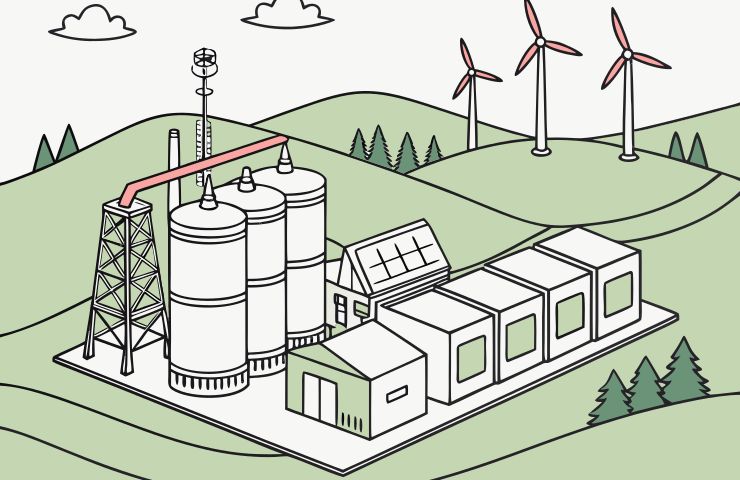
In real-world applications, these alkaline electrolysis systems are outfitted with power electronics, gas purification units, and storage equipment. When they're powered by renewable energy sources like solar and wind, the hydrogen produced has a near-zero carbon footprint, making it genuinely “green.” By manufacturing these locally, BHEL and thyssenkrupp nucera can tweak designs to suit local weather conditions—whether it’s the intense heat of Rajasthan or the humid climate of coastal Gujarat—ensuring they work in harmony with India’s grid dynamics.
Bringing industry giants together
Bharat Heavy Electricals Limited, being India's flagship public-sector engineering and manufacturing company, is well-known for its work with boilers, turbines, and generators. In recent years, BHEL has diversified into solar energy, battery storage, and now, green hydrogen. With this new agreement, BHEL will begin a phased approach to indigenizing electrolyser modules: starting off with assembling imported components, then moving towards fabricating cells, and ultimately producing complete systems that can be deployed across the country.
thyssenkrupp nucera, a branch of the German industrial titan, brings its expertise in alkaline water electrolysis and boasts a history of over 600 systems in operation worldwide. Following its recent listing on the Frankfurt Stock Exchange, the company is gaining more visibility among investors, and the opening of a Mumbai office signals a solid commitment to the Indian market. In this partnership, thyssenkrupp nucera will handle technology transfers, training, and quality assurance to ensure that locally made electrolysers meet global performance standards.
Why local manufacturing makes a difference
Bringing electrolyser production closer to home addresses several strategic hurdles in India's hydrogen economy. By building these systems locally, India can reduce its reliance on foreign currencies tied to importing expensive equipment. This not only cuts transportation costs and customs duties but also makes green hydrogen a more competitive option. Plus, this approach will create new job opportunities in manufacturing, assembly, and project management, fostering a vibrant industrial ecosystem around clean energy technologies.
Moreover, embedding technology transfer within a long-term partnership is key to developing local expertise. Indian engineers and technicians will get hands-on experience in the assembly and maintenance of electrolysers, equipping them to innovate future designs. Given India’s diverse climate—from parched deserts to moist coastlines—local teams will learn to adapt systems for optimal efficiency and dependability, something that's tough to achieve with off-the-shelf imports.
Quick benefits at a glance
These benefits collectively set the stage for a swift increase in green hydrogen production. Industries that face challenges, like refineries and fertilizer units, will have a reliable hydrogen supply, which can help cut down on emissions and meet vital sustainability targets.
Looking to the future: Scaling India’s hydrogen infrastructure
Now that local production is underway, BHEL and thyssenkrupp nucera are gearing up to bid on key tenders in line with the National Green Hydrogen Mission. As India boosts its renewable energy capacities—especially in solar-heavy states—these electrolysers will transform that clean electricity into green hydrogen at gigawatt scales. This homegrown supply chain is sure to attract investments, spark competition, and drive down costs.
Beyond just production, these locally manufactured electrolysers are likely to form the backbone of India’s hydrogen infrastructure. Future expansions might involve regional refueling stations, storage facilities, and integrated industrial hubs. By connecting production with storage and distribution, India can support various applications, from hydrogen vehicles to synthetic fuel manufacturing.
Ultimately, the success of this collaboration will depend on whether these locally built systems meet performance benchmarks. But the vision is clear: by blending tried-and-true European electrolyser technology with India’s manufacturing might, BHEL and thyssenkrupp nucera are laying the groundwork for a thriving, homegrown green hydrogen economy.