Green Hydrogen Production at Sea: DRIFT Energy’s Wind-Powered Fleet Enables Offshore Electrolysis
DRIFT Energy plans wind-powered sailing vessels that use underwater turbines and onboard electrolysis to produce green hydrogen at sea and deliver it to ports.
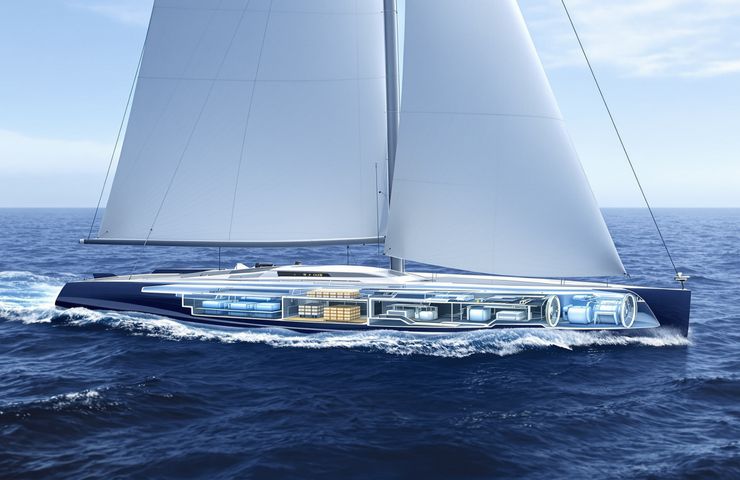
So, there’s this exciting UK startup called DRIFT Energy that’s doing some pretty groundbreaking stuff in the world of clean energy. They’re rolling out a fleet of sailing vessels designed to produce green hydrogen right at sea! How cool is that? By merging traditional sailing techniques with modern technology like submerged hydro-generators, onboard electrolysis, and AI-powered weather routing, they’re aiming to create floating renewable energy hubs. These boats will glide along optimal wind corridors, collecting wind energy and coming back to port loaded with compressed hydrogen. It’s a bold leap into the future of hydrogen and a fascinating twist on how we think about clean energy production.
Headquartered in Bath, England, DRIFT Energy is tackling three main challenges: harvesting renewable energy from the ocean, splitting seawater into hydrogen and oxygen, and figuring out how to safely store and transfer the hydrogen at the dock. These vessels, which industry reports say will measure between 58 and 60 meters in length, are set to start construction in 2027. While other researchers have dipped into similar ideas, this project is distinct because it aims to merge several systems into one cohesive platform that operates on a commercial scale for the first time.
Key Technologies Onboard
Financing a Mobile Hydrogen Platform
Instead of going down the usual shipping finance route, DRIFT Energy has teamed up with Commenda Capital Partners, a UK-based firm, to fund a plan for more than 50 vessels. Word on the street is that they’re looking to raise over $500 million to cover design, construction, and initial operations. So far, DRIFT has over 30 boats on order, and their partnership seems set to grow the fleet even more.
This approach makes each vessel a revenue-generating asset, which makes it quite different from traditional onshore electrolysis plants or fixed offshore wind farms. Investors will be able to tap into a floating hydrogen factory that harnesses wind energy, sails to prime sea spots, and delivers cargo straight to ports or industrial hubs. If they can lock down those clean hydrogen offtake agreements, it’ll give a solid boost to hydrogen sales and validate this fresh take on hydrogen project financing.
Certification and Research Support
An early technical review has given some credibility to this ambitious plan. RINA, an Italian classification society, already did a preliminary assessment this year and has given a thumbs-up for its design feasibility. On top of that, RISE, a research institute in Sweden, has been collaborating on optimizing turbine efficiency and AI routing, which helps validate their system models under simulated ocean conditions. These early partnerships are addressing important design, safety, and regulatory needs before they dive into full commercial trials.
Addressing Maritime Decarbonization
The shipping industry is responsible for about 3% of global greenhouse gas emissions, and as push from policies like EU ETS expansions and IMO decarbonization goals grow, the demand for zero-emission fuels is skyrocketing. But let’s be real—fixed offshore wind installations and undersea cables can be a major drag, requiring tons of capital and a long wait. DRIFT Energy's mobile hydrogen vessels are looking to sidestep these issues by producing green hydrogen right where it’s needed and delivering it straight to customers, cutting down reliance on grid upgrades and land-based electrolysis.
If they make this scalable, it could open up new hydrogen infrastructure for island communities, offshore operations, and coastal industries that typically lack access to onshore electrolysis. By taking the production out to sea, this concept could diversify hydrogen supply chains and speed up the adoption of green hydrogen across various sectors, from shipping to heavy industry.
Safety and Regulatory Challenges
Now, producing hydrogen on a moving vessel isn’t without its risks. Hydrogen is notoriously tricky—it's highly flammable and can leak quickly, which means stringent safety measures are a must. They’ll need robust leak detection systems, flame arrestors, and materials that resist embrittlement. Adding cryogenic or high-pressure storage into the mix complicates things even more. While that initial RINA review is a promising sign, they’ll need to nail down a complete safety case and get class approval before this green hydrogen can start being bunkered or traded at ports.
Economic and Environmental Implications
From an economic perspective, how cost-effective hydrogen delivered by DRIFT’s fleet will depend on things like turbine efficiency, how well the electrolysis works, and the routing algorithms they use. But the cool part is that by turning wind power into a mobile asset, these vessels could offer competitive prices to clients close to major shipping routes without needing a huge investment in onshore infrastructure.
Looking at it from an environmental angle, offshore electrolysis avoids some land-use issues and grid limitations, but they need to keep an eye on energy conversion losses and any potential hydrogen leaks, which could undermine their emissions benefits. Juggling desalination, power generation, and storage all on one platform bumps up operational complexity and maintenance needs, which could affect uptime and total ownership costs.
Outlook and Next Steps
The first vessel is set to kick off construction in 2027, so DRIFT Energy will be working hard on sea trials to confirm hydrogen production rates, test system reliability across different sea conditions, and figure out delivery logistics. Securing long-term offtake agreements with port operators or industrial users will really help stabilize their revenue streams. Plus, everyone will be watching closely to see how classification bodies and maritime regulators adapt their rules around offshore hydrogen electrolysis and bunkering.
In the grand scheme of things, DRIFT Energy’s wind-powered catamarans could truly be a game-changer in renewable energy innovation, maritime decarbonization, and hydrogen logistics. By pushing hydrogen production out to sea, they have the potential to reshape hydrogen infrastructure, influence future vessel designs, and create a whole new standard for clean hydrogen production and delivery.