Hydrogen news
FuelCell Energy Unveils Tri-Gen Technology to Propel Korea's Energy Future
FuelCell Energy, Inc. held a pivotal event in Seoul, highlighting the company's advanced fuel cell technologies and its ongoing commitment to the Korean market. The event, titled "Accelerating Korea’s Energy Transition with Advanced Fuel Cell Solutions," primarily showcased FuelCell Energy’s Tri-gen distributed hydrogen and power generation platform, emphasizing its role in South Korea's ambitious energy transition plans. A Showcase of Innovation FuelCell Energy's event brought together leaders from the Korean energy industry and company executives, including YoungKyoo Peter Han, the newly ap…
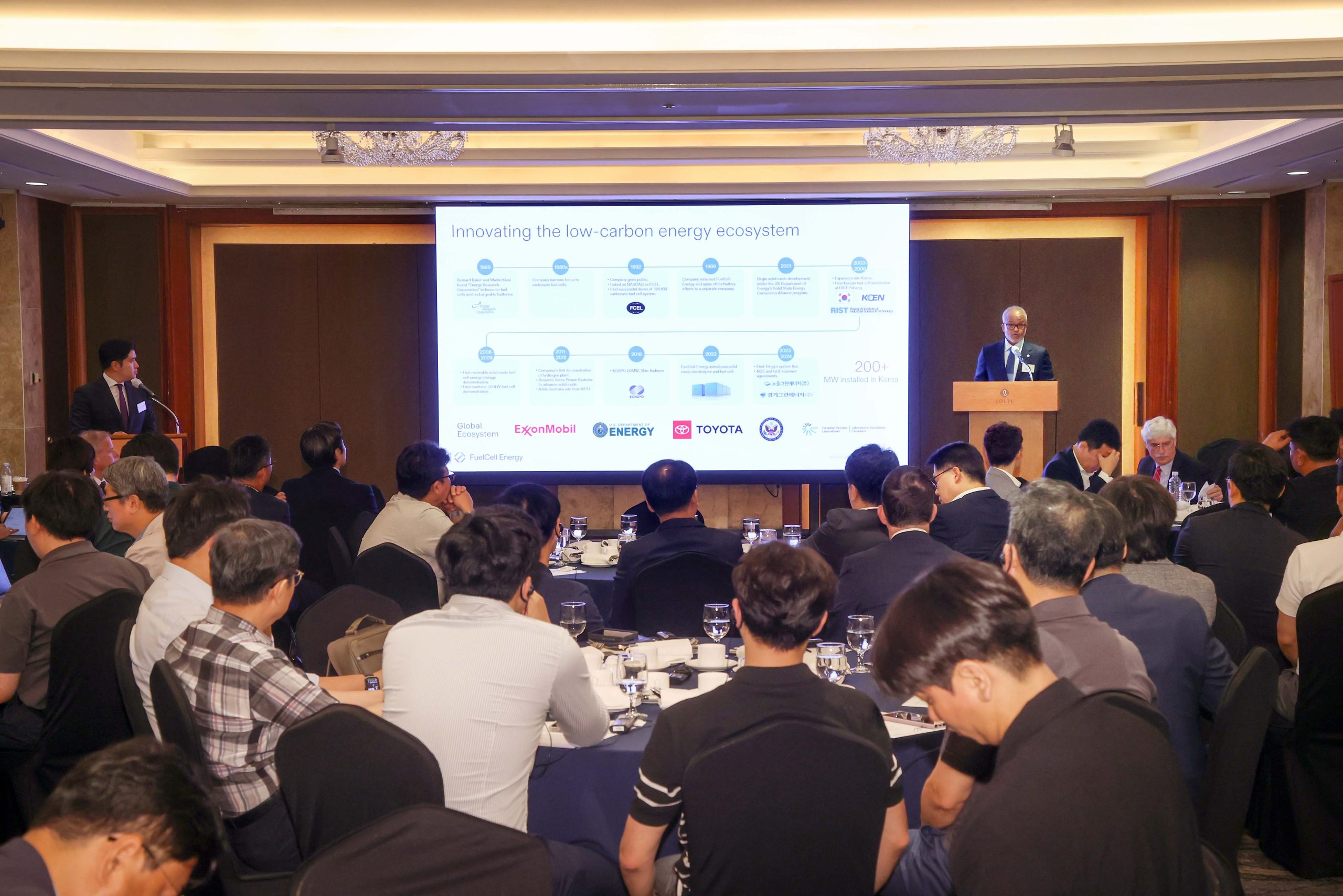
FuelCell Energy, Inc. held a pivotal event in Seoul, highlighting the company's advanced fuel cell technologies and its ongoing commitment to the Korean market. The event, titled "Accelerating Korea’s Energy Transition with Advanced Fuel Cell Solutions," primarily showcased FuelCell Energy’s Tri-gen distributed hydrogen and power generation platform, emphasizing its role in South Korea's ambitious energy transition plans.
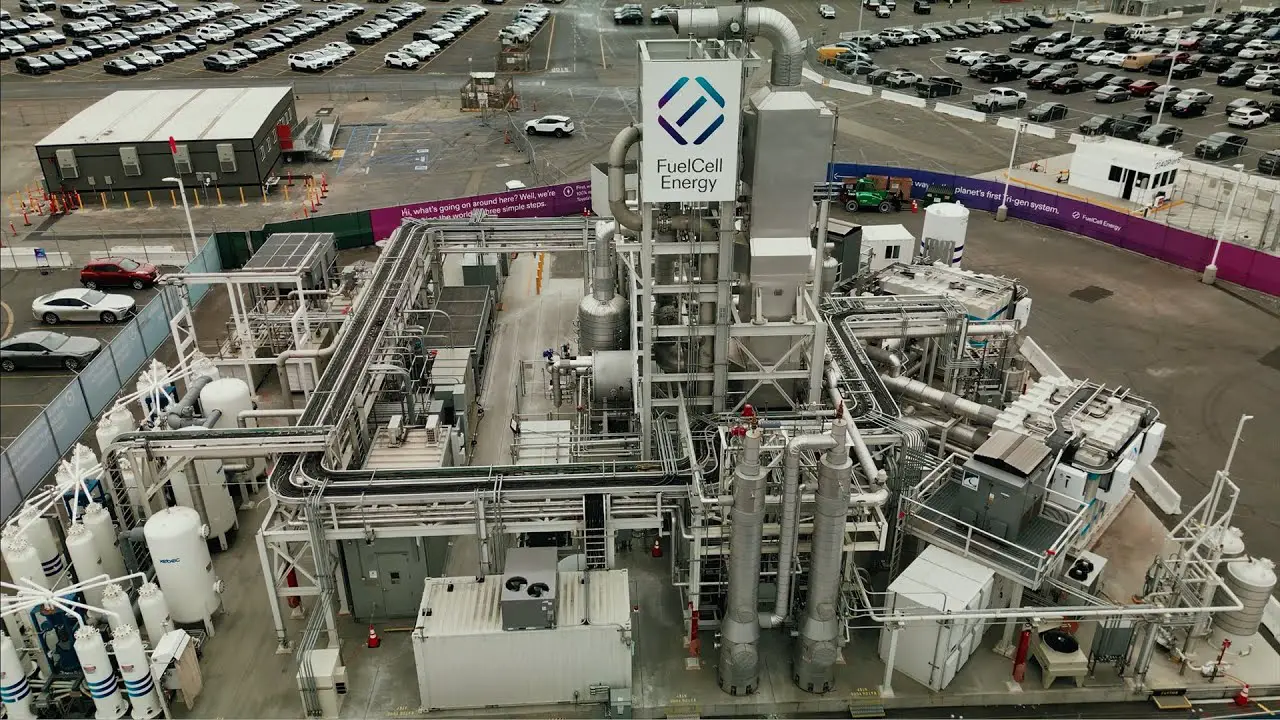
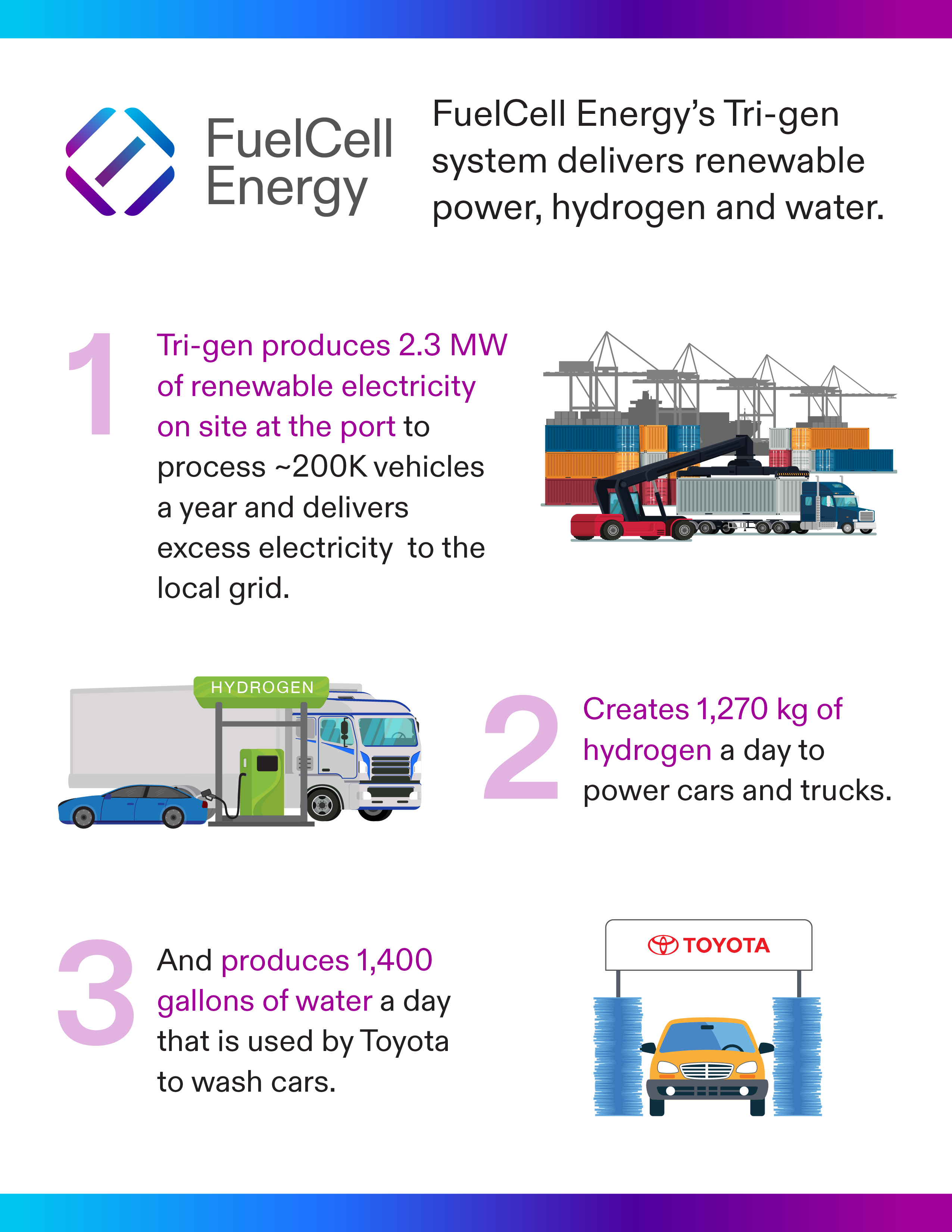
 The centerpiece of the event was the Tri-gen platform, which powers Toyota Motor North America’s largest port facility with three essential resources: electricity, hydrogen, and water, all derived from directed biogas obtained from California landfills. This technology underscores a significant innovation in sustainable energy by converting waste into valuable clean energy resources.
A Showcase of Innovation
FuelCell Energy's event brought together leaders from the Korean energy industry and company executives, including YoungKyoo Peter Han, the newly appointed General Manager for Korea. Mark Feasel and Anthony Leo, FuelCell Energy executives and experts, presented detailed insights into the critical role of fuel cell technology in the energy transition.
The centerpiece of the event was the Tri-gen platform, which powers Toyota Motor North America’s largest port facility with three essential resources: electricity, hydrogen, and water, all derived from directed biogas obtained from California landfills. This technology underscores a significant innovation in sustainable energy by converting waste into valuable clean energy resources.
How FuelCell Energy's Tri-Gen Distributed Hydrogen and Power Generation Platform Works
FuelCell Energy’s Tri-gen platform is a groundbreaking technology that produces electricity, hydrogen, and water from directed biogas, offering a versatile solution for sustainable energy needs.The Process:
- Biogas Utilization: The Tri-gen system begins with the collection of directed biogas, primarily sourced from landfills. This biogas, which consists mainly of methane, is harnessed as a feedstock.
- Fuel Cell Operation: In the fuel cell module, the biogas undergoes a reforming process to produce hydrogen-rich syngas. This gas is then fed into a fuel cell stack, where an electrochemical reaction occurs.
- Electrochemical Reaction: The fuel cell stack converts the hydrogen in the syngas directly into electricity, bypassing traditional combustion methods. This results in high efficiency and low emissions.
- Hydrogen Production: Simultaneously, the Tri-gen platform extracts pure hydrogen. This hydrogen can be used for various applications, including fueling hydrogen vehicles, industrial processes, or being stored for later use.
- Water Generation: A by-product of the electrochemical reaction is water, which can be collected and utilized for industrial purposes, irrigation, or even potable use after appropriate treatment.
Unique Advantages of FuelCell Energy’s Technology:
- Multi-Output Capability: Unlike traditional systems that may focus solely on electricity or hydrogen production, the Tri-gen platform efficiently produces all three valuable resources—electricity, hydrogen, and water—simultaneously.
- High Efficiency: The direct conversion of biogas to electricity through an electrochemical process results in very high efficiency compared to conventional combustion-based power generation methods.
- Carbon Capture: The platform includes advanced carbon capture capabilities, enabling the direct capture of CO2 emissions during the energy production process. This makes it a potent tool in reducing greenhouse gas emissions.
- Use of Directed Biogas: By utilizing biogas from landfills, the Tri-gen platform not only produces clean energy but also helps manage methane emissions, a potent greenhouse gas, turning waste into a valuable resource.
- Scalability and Flexibility: The platform can be scaled according to demand and is flexible in its deployment, making it suitable for diverse applications such as powering port facilities, industrial complexes, and remote locations.
- Sustainability: By generating hydrogen and electricity without combustion and using renewable biogas, the Tri-gen platform supports a circular economy and contributes significantly to decarbonization efforts.
FuelCell Energy’s Vision for South Korea
Jason Few, President and CEO of FuelCell Energy, expressed his enthusiasm about the event's reception. He emphasized the company's dedication to expanding its presence in Korea, building on two decades of supplying carbonate fuel cells in the Asia region. Few outlined advancements in their carbonate fuel cells, including carbon capture capabilities, and introduced their solid oxide platform, which aims to facilitate South Korea’s transition to hydrogen energy.Future Prospects
FuelCell Energy’s technology is already producing over 100 megawatts of sustainable electricity across South Korea without fuel combustion. Recently, GGE announced the purchase of 42 upgraded 1.4-megawatt carbonate fuel cells to enhance the Hwaseong Baran Industrial Complex, the world’s largest single-site fuel cell power platform.Alignment with Korea’s Energy Goals
FuelCell Energy’s commitment aligns with South Korea's Hydrogen Economy Roadmap, which aims to supply 15 gigawatts of power from fuel cells by 2040. The event also covered FuelCell Energy’s carbon capture technology, which captures CO2 emissions while simultaneously producing electricity and hydrogen, and electrolysis powered by solid oxide fuel cells capable of supplying hydrogen with up to 100% efficiency.Conclusion
FuelCell Energy, Inc. continues to solidify its position as a global leader in sustainable energy technologies with an impressive portfolio of 531 fuel cell technology patents. The company’s clean, efficient, and reliable energy solutions tackle critical global challenges, including sustainability, safety, and urbanization. The recent event in Seoul marked a significant milestone in South Korea's journey toward a sustainable and hydrogen-powered future. By showcasing their cutting-edge Tri-gen platform and other advanced technologies, FuelCell Energy demonstrated their potential to revolutionize the landscape of energy production and contribute substantially to global decarbonization efforts.How was this article?
Thanks for the feedback!