EU calls for cross-border hydrogen infrastructure under revised TEN-E Regulation
The European Commission has launched a call for cross-border hydrogen, electrolysers and CO2 transport and storage projects under the revised TEN-E Regulation. Applications open until late September, offering streamlined permitting, regulatory alignment and priority access to EU funding to accelerate industrial decarbonisation across Europe.
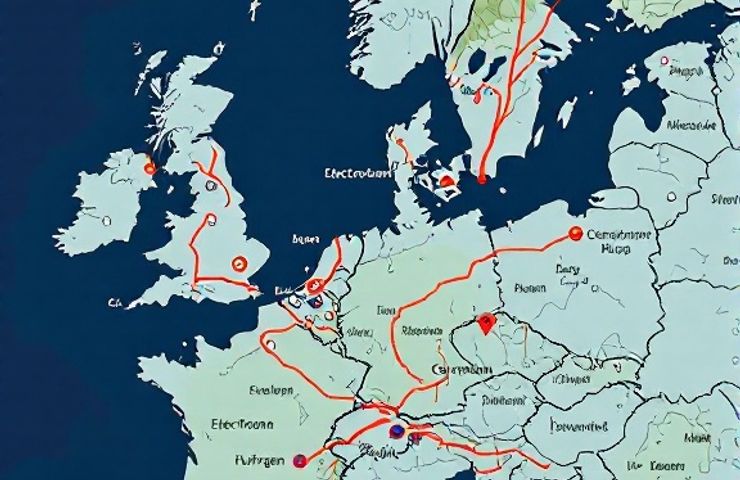
The European Commission has kicked off a new initiative under the revamped TEN-E Regulation, inviting applications for cross-border energy projects focused on hydrogen infrastructure, industrial electrolysers, and CO2 transport and storage. The application window opened this summer and runs through late September, marking the start of a detailed process aimed at speeding up permitting, harmonizing regulations across borders, and prioritizing access to EU funding for projects that can really help with industrial decarbonization.
This move is part of the EU’s broader strategy to get its infrastructure planning in line with the European Green Deal and its binding climate goals, like chopping greenhouse gas emissions by at least 55% by 2030 and hitting climate neutrality by 2050. By fast-tracking these hydrogen and CO2 networks, the Commission is clearly highlighting their importance as essential components of a resilient and integrated European energy market.
Key takeaways
Why this matters now
Hydrogen, especially green hydrogen production, is set to become a game-changer for sectors where electrification isn’t enough—think steel, cement, chemicals, and heavy-duty transport. Plus, the whole concept of CO2 transport and storage is crucial for carbon capture and storage (CCS) strategies that deal with those tough-to-eliminate emissions and open doors to carbon removal solutions.
Without solid pipelines and easy-access hubs, hydrogen projects often face high costs and logistical nightmares. Meanwhile, CO2 capture tends to get stuck near industrial sites. If we don’t bridge these infrastructure gaps, we risk piecemeal, nationally-focused solutions that won’t deliver the economic scale or balanced supply we need across Europe.
Inner workings: technologies in scope
Procedure and funding access
Getting project status as either PCI or PMI is key to moving from design to operational phase, with three big advantages:
The selection process begins with a regional assessment of network needs, followed by endorsements from national authorities and public consultations. Then, a Commission-led evaluation reviews project maturity, cross-border benefits, and climate impact. Finally, ACER offers a non-binding opinion on regulatory compliance before the final list is officially adopted by the end of 2027.
Lessons from past PCI/PMI rounds
Previous PCI lists stirred up some controversy, particularly for including projects linked to fossil gas and blue-hydrogen lines. Many critics raised concerns that this could lock in emissions and steer limited funds away from renewable technologies. The latest TEN-E updates, completed in 2024, tighten eligibility around fossil gas and enhance sustainability criteria, making sure there's room for renewable hydrogen networks and publicly accessible CO2 hubs.
NGOs and lawmakers will keep a close eye on these proposals to ensure only “no-regret” projects—those clearly aligned with the Green Deal—make the final cut, steering clear of transitional assets that could end up stranded.
Policy context: REPowerEU and the Hydrogen Strategy
This call aligns with the REPowerEU plan, aiming for the production and import of 10 million tonnes of renewable hydrogen by 2030 to cut dependence on foreign gas and facilitate industrial decarbonization. Alongside the EU’s Hydrogen Strategy, this plan supports the growth of “hydrogen valleys”—regional ecosystems where hydrogen production, storage, and consumption can evolve together. Tying PCI/PMI status to these aims ensures that selected projects fit within a larger supply chain, avoid overlap, and promote modular infrastructure that can adapt to changing market needs.
Strategic outlook
From a business viewpoint, developers get better long-term visibility and a clearer path to secure financing, form partnerships, and navigate regulatory challenges. Investment teams can refine their cost models based on quicker permit processes and EU support, while equipment suppliers look forward to scaling up production in electrolyser manufacturing, pipeline engineering, and storage technologies.
Policy-makers can spot infrastructure gaps and steer national reforms to align with EU ambitions. Encouraging teamwork among member states can unlock shared benefits, attracting private funding to back public initiatives.
Industry groups have urged for flexible regulatory frameworks that can adjust along with market changes, pushing for phased tariff models for CO2 transport that would support initial throughput and evolve as hydrogen economies grow. Successful PCI/PMI projects could also set a standard for similar cross-border efforts down the line, providing a roadmap for future calls around electricity and smart gas networks.
The road ahead
As application deadlines approach, the EU’s choice of projects will play a significant role in shaping hydrogen and carbon network development throughout the region. To meet 2030 milestones, we need to ensure open-access pipelines connect renewable zones with demand centers, integrate large-scale electrolysis plants with wind or solar operations, and set up shared CO2 trunk lines to offshore storage sites.
In the end, this call represents a major test for Europe’s capability to build cross-border infrastructure at the speed and scale necessary for achieving net-zero goals. The projects that come out of this will not just shape the future of hydrogen energy and CO2 management but also reinforce the backbone of Europe’s industrial landscape.
What’s next? Stakeholders have until late September to get their applications in. After that, there’ll be scrutiny, feedback, and refinements. The goal is to lock in a pipeline of candidate projects that can give clarity to investors and member states, ensuring that the right infrastructure is ready to roll out in time to fuel Europe’s clean energy transformation.