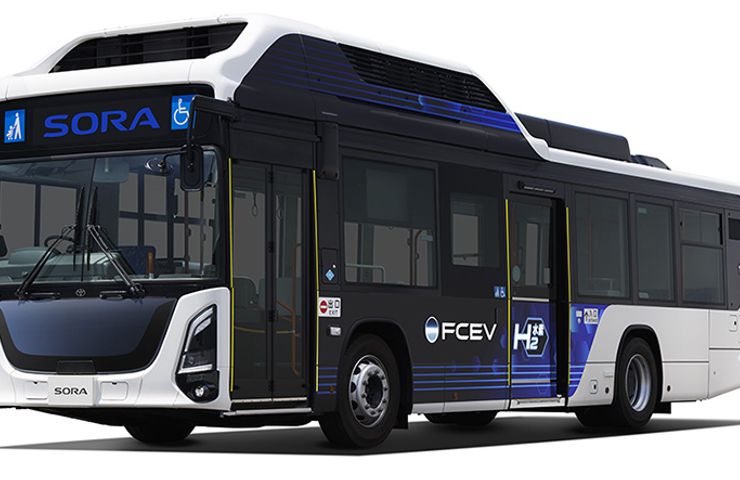
EHM Unveils E265 Hydrogen Internal Combustion Engine for Heavy Mobility Retrofits
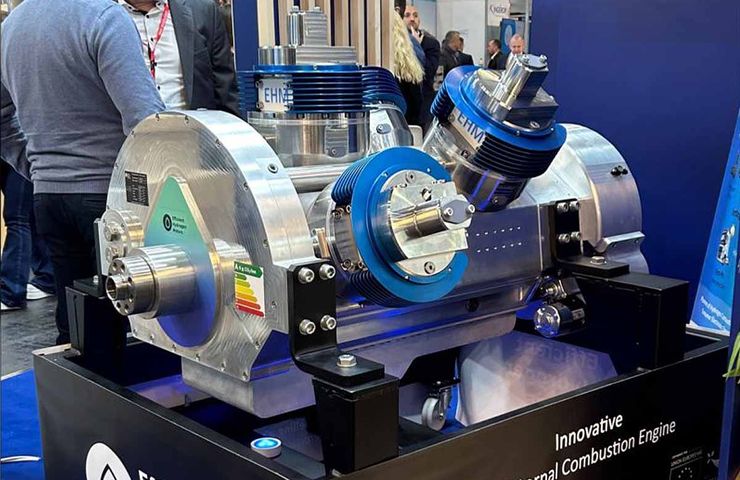
EHM has unveiled its E265 five-stroke hydrogen internal combustion engine platform, designed for heavy mobility retrofit and targeting over 50% efficiency on 100% hydrogen fuel.
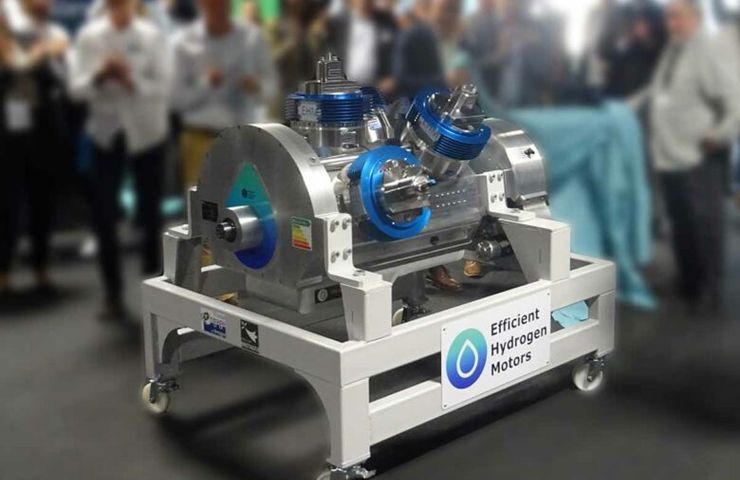
Exciting things are happening in Brittany's industrial scene as we witness a major leap in heavy mobility decarbonization. The spotlight is on the newly unveiled E265 hydrogen internal combustion engine, a product born from the innovative minds at Efficient Hydrogen Motors (EHM) in Châteaulin. This fresh five-cylinder, five-stroke green hydrogen engine is tailored to run entirely on compressed hydrogen. The idea is to retrofit old diesel buses, coaches, trucks, and stationary generators, dramatically cutting CO₂ emissions while keeping the existing chassis, transmission, and all that good stuff intact.
EHM finds its sweet spot at the crossroads of hydrogen infrastructure expansion and practical industrial needs. Unlike those conversions that merely tweak a diesel engine to burn hydrogen, the E265 is a unique creation with direct hydrogen injection and a patented five-stroke cycle. This evolving technology aims to boast thermal efficiency above 50%—and if it holds up in real-world scenarios, it would leave most modern diesel engines in the dust with their 35–42% efficiency. EHM has already validated the engines on the bench and landed a pilot partnership with Transdev, set to showcase the H2-ICE retrofit integrated into current public transport systems.
With support from ENSTA Bretagne labs and ACCEL’AIR test benches, EHM has fine-tuned essential components, including high-pressure rails and injector designs, along with smart thermal management systems. Thanks to some advanced computational modeling from academic collaborators, they’ve optimized combustion timing and minimized energy losses in the transition from concept to a full-fledged prototype.
How the E265 Works
The E265 comes alive with its five-stroke combustion cycle. Unlike your standard four-stroke engine (you know, intake, compression, combustion, exhaust), EHM's design adds an extra expansion stroke. This addition helps suck more power from the speedy hydrogen flame, keeps combustion temperatures down, and reduces any chances of knocking or pre-igniting. Hydrogen is injected directly into each cylinder at just the right pressure and timing, enabling lean-burn techniques that take advantage of hydrogen's impressive flammability and rapid flame speed.
Now, while there hasn’t been any independent data out yet on the E265's efficiency, EHM's internal tests have hinted at hitting around 50% peak efficiency. Research backs up the idea that this kind of efficiency is possible under the right conditions, though a real-world setup might see slightly lower numbers with engines running auxiliary systems on board.
Hydrogen is stored in high-pressure cylinders, usually ranging between 350–700 bar, set up on top of the vehicle or the generator skid. Coaches with around 30–40 kg of hydrogen on board could cover about 400 km, while heavy trucks might stretch that range to 800–1,200 km before needing a refill. By maintaining the existing driveline, cooling system, and aftertreatment hardware associated with diesel engines, the E265 ensures a familiar maintenance experience as fleets gear up for zero-CO₂ operations.
Let's talk safety—it's crucial. Retrofitting hydrogen ICEs has to comply with strict vehicle conversion regulations, high-pressure fuel requirements, and fire safety standards. EHM is working closely with certifying bodies to nail down protocols for hydrogen leak detection, impact-resilient tank designs, and safe refueling processes. These are all must-haves for building trust with operators and gaining those critical regulatory approvals.
Market Strategy and Decarbonization Goals
Instead of waiting around for fleets to be fully replaced, EHM has set its sights firmly on retrofits as a fast track to decarbonization. Their prototype engine, rated at 265 kW, aligns perfectly with what's needed for regional coachlines and heavy-duty generators. A pilot project with Transdev will see a hydrogen coach in action, proving that retrofitting can be a viable option for public transport operators exploring alternatives to battery-electric or fuel-cell vehicles.
EHM suggests that the E265 comes with a capital cost that’s 30–40% higher than a traditional diesel engine. But here's the kicker: depending on fuel prices, the total cost of ownership could become competitive over several years of operation. This approach taps into existing workshops, skills, and spare parts, all while holding onto the industrial expertise that’s been built up in Europe’s automotive and marine sectors.
Brittany as a Test Bed
With hydrogen storage hubs, local electrolysis projects, and renewable power sources all blossoming in Brittany, the region is shaping up to be a perfect launchpad for EHM’s ambitions. Nestled within ENSTA Bretagne and ACCEL’AIR’s support structures, the startup has had access to top-notch R&D facilities that speed up its testing and prototype showcasing. Local authorities are all-in on green hydrogen projects for buses, construction machinery, and maritime uses, creating a rich landscape of pilot projects tailored for green hydrogen engines.
EHM plans to set up production at its own factory in Châteaulin by the end of the decade, with an eye on producing around 3,000 engines each year. This would create about 100–150 direct jobs and about 1,500 indirect jobs across the supply chain. By manufacturing locally, EHM aims to bolster European industrial capabilities while streamlining logistics for those big hydrogen engines and fuel systems.
Comparative Landscape
It looks like hydrogen internal combustion engines are making a comeback as a viable alternative to fuel cells and batteries, especially for applications where electric power faces challenges with range and infrastructure. Current research indicates that dedicated hydrogen engines can rival fuel-cell efficiencies in controlled environments, although most actual demonstrations have hovered around 45% efficiency. If EHM can hit their target of over 50%, that would set a remarkable new standard for practical, retrofit-friendly green hydrogen engines.
In a comparison with hydrogen fuel cell technology, the E265 takes advantage of established mechanical manufacturing processes, sidesteps the reliance on rare metals, and simplifies maintenance networks. However, fuel cells still edge ahead in quiet operation and ultra-low particulate emissions. Meanwhile, battery-electric trucks grapple with weight and charging time issues over long distances. In this balancing act, hydrogen ICEs fit neatly into the heavy mobility niches where fleet operators need to juggle uptime, range, and overall costs.
On the fuel supply side, Brittany's expanding network of electrolysers, along with wind and solar energy, positions the area to ramp up green hydrogen production. Collaborative efforts are underway to set up fueling stations with efficiency comparable to that of traditional diesel terminals, helping to tackle one of the biggest hurdles for fleets in making the switch to hydrogen.
Looking Ahead
For EHM, the next steps will involve proving the E265 meets standardized driving cycle tests, achieving steady NOₓ control to meet the future Euro 7 standards, and efficiently scaling production. Just as vital will be developing hydrogen refueling networks, enhancing electrolyser capabilities, and establishing clear regulatory frameworks for vehicle conversion approvals. If all of these elements come together, the five-stroke H2-ICE concept could bridge the gap towards deeper decarbonization in heavy transport and stationary power.
As the drive toward zero-emission technology gains momentum, EHM’s journey with the E265 is a shining example of savvy innovation sprouting from local ecosystems. With Brittany's blend of maritime history, engineering talent, and renewable energy resources, it’s setting up to introduce a homegrown hydrogen engine that could effectively power the roads, ports, and job sites of Europe—without leaving a carbon trail like diesel.