Dutch Blueprint Paves the Way for Climate-Neutral Industry
A recent PwC–Gasunie study outlines a least-cost pathway for Dutch industry to cut 44 Mt of CO₂ annually using CCS, blue hydrogen, DRI-EAF steel, and hybrid boilers, positioning the Netherlands as a global model for industrial decarbonisation.
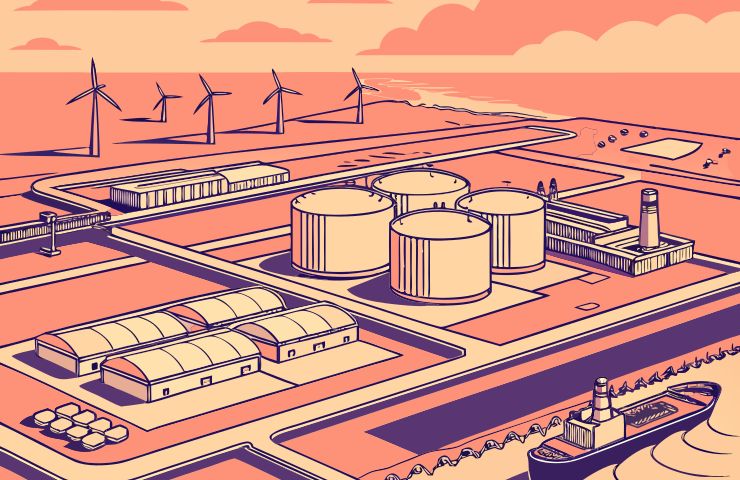
In the vibrant industrial core of the Netherlands, something exciting is brewing that's catching attention in clean hydrogen news and circles focused on industrial decarbonization. This region, Europe's second-largest port area, is packed with refineries, chemical plants, and steelworks. It’s ground zero for an ambitious new plan aimed at slashing carbon emissions from heavy industry in a big way. According to a recent study from PwC Netherlands, in partnership with the state-run Gasunie, Dutch industries need to cut about 44 million tonnes of CO₂ emissions annually to hop on the path to climate neutrality by 2050. This plan hinges on innovative technology, strategic partnerships, and a smart roadmap for carbon capture, hydrogen production, and electrification. It’s a sneak peek into a future where high emissions give way to low-carbon energy, circular processes, and reliable growth across key clusters from Rotterdam-Moerdijk to Chemelot.
A Game-Changer Blueprint for Climate-Neutral Industry
This study is laying out a clear pathway to a cleaner future. It dives deep into nearly every bit of industrial CO₂ emissions, looking for the most cost-effective ways to cut them—think innovative hydrogen production methods and hybrid heating systems. It outlines a route to 2040 without relying on subsidies, showcasing how 44 million tonnes of annual CO₂ cuts can be achieved. It breaks down which specific tech solutions work best for different processes, whether that’s capturing emissions directly, electrifying heat, or going for low-carbon fuels. This detail sets a new gold standard for local decarbonization plans, highlighting how a concentrated industrial landscape can take advantage of its geography, hydrogen infrastructure, and shared investments to lower costs across the board.
CCS and Blue Hydrogen at the Core
At the heart of this blueprint is Carbon Capture and Storage (CCS), which could help reduce about 21 million tonnes of CO₂ per year. An impressive 85 percent of this reduction—around 18 million tonnes—comes from blue hydrogen produced from natural gas while capturing CO₂ at the same time. By repurposing existing pipelines and storage sites in the North Sea, the plan smartly skips the need to create new fossil fuel infrastructure. Hydrogen hubs in the North Sea Canal and Zeeland are set to serve industrial users like refineries and chemical plants, creating a low-carbon fuel network that’s flexible enough to transition to green hydrogen as the technology develops, all while keeping up immediate emissions reduction goals.
Reinventing Steel with Direct Reduced Iron and Electric Arc Furnaces
Since steel makes up a hefty portion of industrial emissions, there was no way around upgrading this sector. The plan looks to swap out traditional blast furnaces for a mix of Direct Reduced Iron (DRI) plants and Electric Arc Furnaces (EAF). Using hydrogen-rich reducing gas or natural gas paired with CCS in DRI units, and then melting the iron in EAFs powered by the grid, can chop off roughly 9 million tonnes of CO₂ yearly. This shift leans on renewable energy from offshore wind farms and positions areas like Northern Netherlands and Chemelot as key players in producing low-carbon steel. Plus, it opens doors for recycling scrap metal, further boosting circularity and resource efficiency.
Hybrid Boilers: Flexibility Meets Efficiency
High-temperature heat in industries is a real conundrum, and that’s where hybrid boilers come into the picture. These nifty systems can switch between using electricity, hydrogen, and biomethane on the fly, picking the most cost-effective and eco-friendly option as needed. Over the course of a year, they could save about 6 million tonnes of CO₂ by tapping into grid flexibility when renewable energy output is high and jumping onto hydrogen networks when electricity prices soar. The Dutch plan highlights key clusters in Rotterdam–Moerdijk and the North Sea Canal for big hybrid installations, building local markets that uplift equipment makers, control-system builders, and fuel suppliers in a tight-knit ecosystem.
Building a Robust Backbone: Hydrogen Infrastructure and CO₂ Networks
You can’t talk about industrial decarbonization without reliable hydrogen infrastructure and efficient CO₂ transport networks. That’s why this blueprint is betting big—multi-billion-euro investments are set aside for updating and growing pipelines, compressor stations, and offshore injection sites. Gasunie is spearheading the creation of a national hydrogen backbone that connects production areas in Zeeland, Groningen, and the North Sea with demand centers in South Holland and Limburg. They’re also putting in parallel CO₂ pipelines that connect industrial emitters to exhausted gas fields below the seabed, unlocking massive storage capabilities. Coordinating pipelines across five major clusters—Rotterdam–Moerdijk, North Sea Canal, Zeeland, Chemelot, and Northern Netherlands—will help drive economies of scale, trim redundant infrastructure, and lower risks through shared operation and maintenance strategies.
Policy and Partnerships Driving Momentum
To keep this momentum rolling, collaborations involving the Government of the Netherlands, industry leaders, and research institutions are absolutely vital. Although the strategy is designed to operate without subsidies, real-world implementation will lean on support mechanisms like the SDE++ scheme for CCS projects and RFNBO obligations that promote green hydrogen. Public-private partnerships will fund the early days of infrastructure, spread risks for new hubs, and attract global investors keen on low-carbon materials. Research institutions and universities will work on refining capture solvents, optimizing electrolyzers, and creating smart control systems, while companies provide engineering know-how and operational skills to accelerate technology scaling.
A Glimpse Into the Future
This Dutch plan gives us a look at the future of cleaning up industrial emissions. By merging CCS, blue hydrogen, DRI-EAF steelmaking, hybrid boilers, and solid infrastructure, the initiative targets 44 million tonnes of annual CO₂ reductions at the minimum system cost. It shows that a connected, cluster-focused approach can rally diverse players—from port operators to pipeline companies, electric utilities to equipment manufacturers—around a common sustainability mission. As the first projects kick off, the Netherlands is set to lead the way, offering a model that other industrial regions worldwide can follow. It’s far more than just an academic project; it’s a tangible roadmap proving that heavy industry can go green while also thriving financially.