Clean hydrogen news: Castilla y León opens public review for 760 MW green hydrogen production projects in Soria
Junta de Castilla y León has opened public review for two renewable hydrogen electrolysis projects in Soria—Alkeymia Energy’s 300 MW plant in Almazán and DH2 Energy’s 460 MW facility in Los Rábanos—totaling over 760 MW and signaling a major scale-up in green hydrogen production.
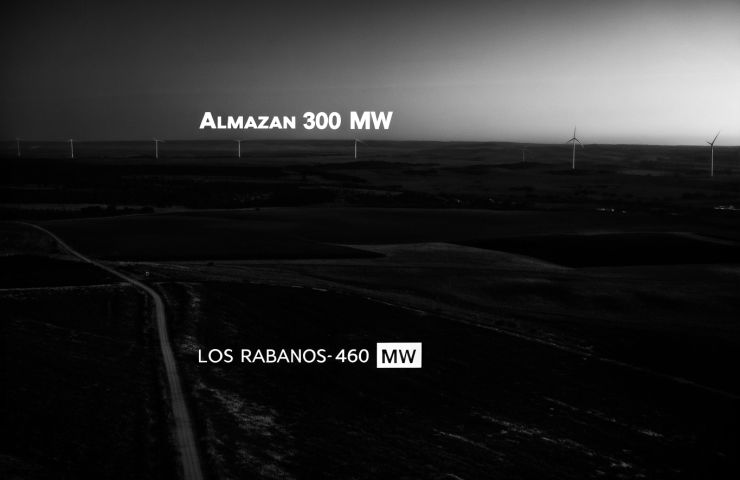
Junta de Castilla y León has just kicked off public information sessions for two massive renewable hydrogen electrolysis projects in Soria, Spain. Together, these projects are set to roll out over 760 MW of electrolyzer capacity, which is a big leap for green hydrogen production in an area that’s already home to the small 2.5 MW H2Duero plant in Garray. The two ambitious projects include a 300 MW facility in Almazán spearheaded by Alkeymia Energy, and a 460 MW setup in Los Rábanos promoted by DH2 Energy. They've entered a formal permitting phase where stakeholders can weigh in on environmental and planning details.
Regional Catalysts
Soria’s industrial scene has dealt with rural depopulation and a lack of heavy industry for a while now, but there's a silver lining: it’s got plenty of land and a real knack for harnessing renewable energy. The early success of that 2.5 MW H2Duero plant, a collaboration between Redexis and SOMACYL, showed what’s possible in hydrogen production and local use for industrial needs. Now, Soria is stepping up to play a leading role in Spain’s vision for hydrogen valleys and sturdy hydrogen infrastructure. Both of these new projects are tied into the PEMA industrial zone in Garray and will tap into existing grid connections and water sources, setting Soria up as a hub for hydrogen production, and maybe even green methanol creation.
Project Specifications
The plan for Alkeymia’s Almazán facility is to install a hefty 300 MW electrolyzer, with renewable electricity most likely coming from nearby solar farms and wind turbines. Looks like they’re also eyeing the potential to add green methanol production by combining renewable hydrogen with carbon dioxide, although they’re still sorting out the final offtake deals. Meanwhile, DH2 Energy’s project in Los Rábanos aims to deliver 460 MW of electrolyzer capacity, primarily focusing on providing hydrogen for those hard-to-electrify industrial processes and mobility routes. Both projects plan for on-site compression and temporary storage, relying on advanced hydrogen storage methods to handle the ebbs and flows of production and demand.
Scaling Up Electrolysis
At the heart of both developments is electrolysis technology. By running water through electrolyzer stacks powered by renewable energy, these facilities will churn out green hydrogen with zero carbon emissions. But scaling up from those small pilot projects to several hundred megawatts means some serious engineering challenges—think of large electrolyzer footprints, connections to high-voltage grids, and specialized water intake systems. To keep everything running smoothly, they’ll need a steady supply of renewable energy and stable grid protocols, which really emphasizes the importance of upgrading infrastructure around the Soria projects.
Permitting Milestone
The launch of the public information phase is a big deal in Spain’s permitting process. Authorities have rolled out detailed project documents and will be gathering feedback on everything from land use and water allocation to safety zones and biodiversity impacts. This formal stage is crucial as it helps to lessen the risks associated with these initiatives by laying out environmental constraints before the companies finalize their investment decisions. For those backing the projects, transitioning from early-stage planning to public consultation can often be the trickiest part of getting large-scale hydrogen production facilities off the ground.
Strategic Alignment
These exciting initiatives fit right in with Spain’s national Hydrogen Roadmap, which aims for a multi-gigawatt electrolyzer rollout by 2030, and the Castilla y León Hydrogen Strategy 2030. Regional authorities are focusing on attracting investment, developing supply chains, and enticing supporting industries—like electrolyzer manufacturing, compression tech, and control software—to the area. If all goes well, these two projects could make history as the largest electrolyzer cluster in Spain so far, surpassing previous pilot projects and setting the stage for a thriving regional market.
Economic and Environmental Impacts
On the economic side of things, building and running several hundred megawatts of electrolysis capacity could unlock hundreds of millions in investments, creating jobs in engineering, construction, and equipment supply along the way. Environmentally, shifting to green hydrogen production has the potential to lower carbon footprints in industries like steel, chemicals, and heavy transportation. Hydrogen could even provide fuel for hydrogen vehicles in freight and bus networks, presenting a zero-emission alternative where battery electric options might struggle.
Challenges Ahead
Of course, the road ahead isn’t without its bumps. Securing a reliable supply of renewable electricity at competitive rates is vital for keeping hydrogen production costs down and reaching the desired operational hours. In semi-arid Castilla y León, managing water availability is key to ensuring it doesn’t clash with agricultural or municipal needs. Plus, integrating hundreds of megawatts of electrolyzers into the grid will require updates to substations and transmission lines. And let’s not forget, solidifying offtake agreements—whether with industrial decarbonization clients or green methanol producers—is crucial for underpinning long-term financial plans and attracting hydrogen project financing.
What’s Next
As for what’s next, the outcome of this public consultation will steer the final permitting decisions. Everyone will be keeping an eye on any environmental objections and how quickly grid upgrades get greenlit. If the projects manage to clear this permitting hurdle, they could make binding investment decisions within the year, paving the way for a whole new chapter in renewable hydrogen production in Spain. For those involved in the hydrogen economy, Soria’s leap from pilot-scale to industrial-scale electrolysis could set a powerful example—one that might influence the shape of clean energy pathways across Europe.