Catalonia Unveils Comprehensive Strategy for Renewable Hydrogen and Circular Carbon at H2CAT Innovation Summit
Catalonia is advancing renewable hydrogen and circular carbon technologies to strengthen its energy strategy. The recent H2CAT Innovation Summit highlighted key projects like APLEH2C and Thunder, aimed at interlinking hydrogen solutions to tackle industrial decarbonization challenges.

The recent H2CAT Innovation Summit in Barcelona marked a significant leap for Catalonia as it showcased the region's strategy in advancing renewable hydrogen and circular carbon technologies. Organisers presented a compact, cross-disciplinary programme that sought to link laboratory research with practical industry applications. The event made clear the urgency policymakers and companies now attach to reducing dependence on fossil fuels. It also provided a forum for researchers, public energy bodies and private-sector actors to map potential collaborations across the value chain.
The event, coordinated by Eurecat, brought together experts from the H2CAT network, which has expanded significantly, now comprising 17 organizations, 82 research groups, and over 400 researchers. That network scope reflects a deliberate effort to pool skills and facilities. Participants ranged from material scientists to energy systems analysts. Their shared aim: accelerate innovation across the energy landscape while tackling pressing problems in industrial decarbonization.
The Focus on APLEH2C and Thunder
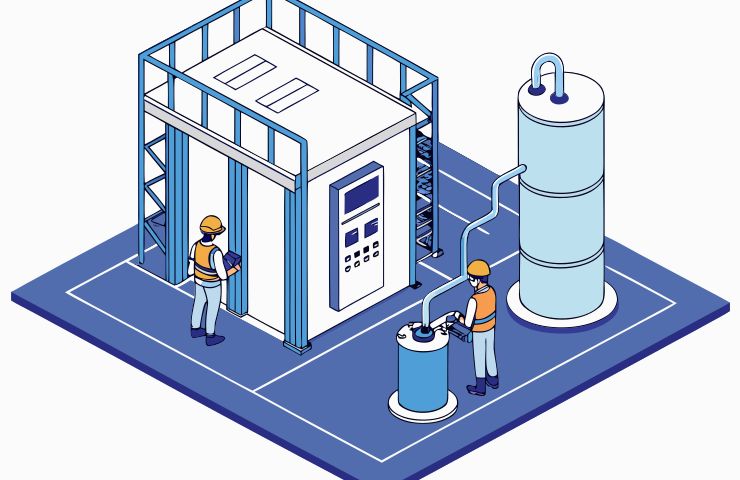
Among the highlights of the summit was the introduction of APLEH2C, a European project designed to interconnect hydrogen production, storage, distribution, and consumption. Planners described APLEH2C as an attempt to build a regional template for hydrogen systems that links multiple sectors and stages of the supply chain. With over twenty partners involved, the project aims to weave together transport, logistics and power generation into a single operational ecosystem. If it succeeds in creating logistical synergies and measurable operational efficiencies, regional stakeholders could point to a practical, replicable model for the Mediterranean.
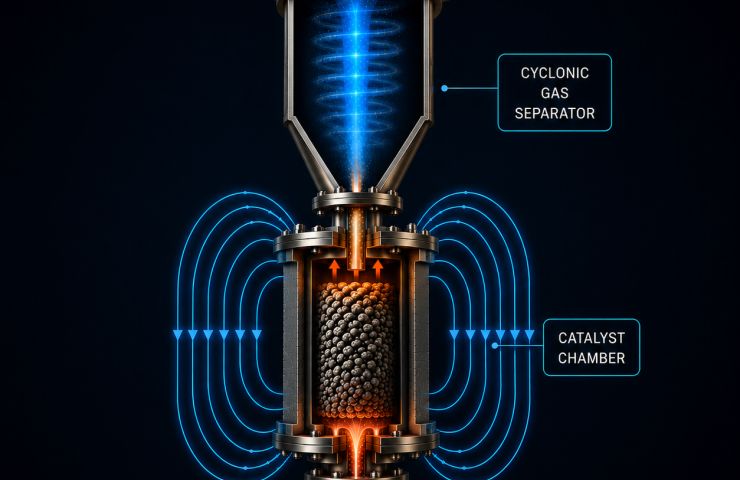
Additionally, the summit showcased the Thunder project, a modular technology aimed at producing e-methanol through a process that combines captured carbon dioxide, water vapor, and waste heat. The concept deploys captured CO2 alongside other inputs to generate a synthetic fuel that can, in theory, displace some fossil-derived methanol. There is a clear focus on modularity — small, repeatable units that can be scaled — which proponents say could lower barriers to deployment in industrial settings. At the same time, the summit's presentations were careful to note the technology’s current status: the actual effectiveness and commercial viability of these technologies have yet to be fully validated.
Broader Implications for Industrial Decarbonization
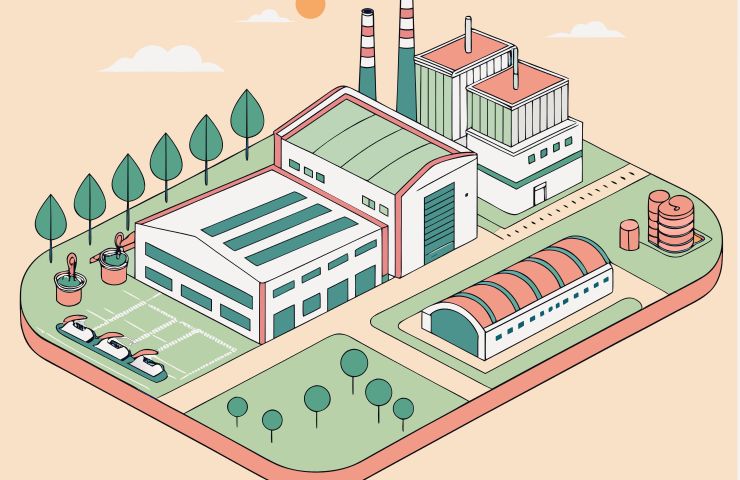
The integration of renewable hydrogen and circular carbon systems is critical in achieving deeper industrial decarbonization. In practical terms, that means addressing two intertwined problems: how industries source their energy, and how they obtain the chemical feedstocks they require. Fossil resources today serve both purposes. By offering alternatives that cover energy production and material sourcing, the combined approach aims to reduce emissions across processes that are otherwise hard to abate.
The relevance of this initiative extends beyond Catalonia. It aligns with European energy security goals, especially following recent geopolitical events that have heightened the focus on reducing dependence on imported fossil fuels. According to Miriam Díaz de los Bernardos, director of H2CAT and head of Eurecat's Chemical Technologies Unit, the network aims to bridge the gap between research and industrial deployment, facilitating a smoother transition to a more sustainable energy landscape. That bridging function is central to the summit’s rationale: take innovations out of the lab and put them where industry can test, refine and, ultimately, deploy them at scale.
Challenges and Path Forward
While the ambitions are commendable, challenges loom large. Moving from laboratory-scale innovations to reliable, cost-effective industrial operations will require significant investment in infrastructure, technology, and regulatory frameworks. Questions about long-term sustainability remain open. Attendees flagged concerns including lifecycle emissions, the origins of the energy used to produce the hydrogen, and the water demands of some production routes.
Operational realities will determine how quickly and at what cost these projects can be scaled. Industry partners will need to evaluate supply-chain readiness and the availability of supporting services. Regulators, in turn, will have to decide how to adapt permitting, safety standards and market rules to accommodate new fuels and feedstocks. All these elements — capital, regulation and industrial procurement — must move in step if pilot projects are to translate into lasting industrial transitions.
Ultimately, the H2CAT Innovation Summit serves as a vivid reminder of the critical role that coordinated efforts can play in advancing the adoption of green hydrogen and its related technologies. The summit put a premium on collaboration: public and private actors, research centres and technology providers working together to confront shared challenges. Catalonia is positioning itself deliberately; organisers argued that a concentrated regional effort can deliver lessons for larger European programmes.
As stakeholders continue to collaborate and refine these technologies, their impact could ripple through various sectors, reshaping how industries approach sustainability and energy use in the future. The pathway will be neither short nor simple. Yet the conversations in Barcelona underscored one point clearly: building an operational hydrogen economy requires coordinated strategy, measured investment and rigorous testing — all informed by the kind of multidisciplinary networks the summit highlighted.