Blue Ammonia: Woodside Scales Back Investment in Beaumont New Ammonia Project
Woodside Energy has launched a formal process to cut its stake in the Beaumont New Ammonia project in Texas after a strategic review highlighted weaker-than-expected operations, a 30-day shutdown and delayed commissioning of hydrogen and CCS infrastructure.
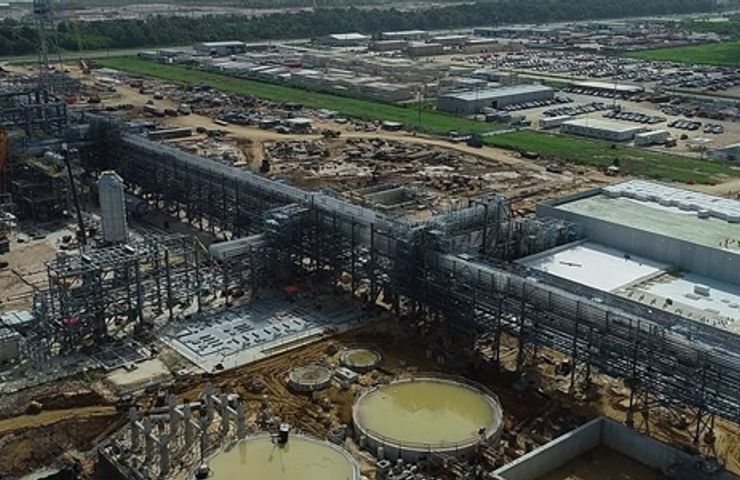
Woodside Energy Group Ltd has said in its third-quarter report that it had completed a strategic review of the Beaumont New Ammonia project in southeast Texas and would begin a formal process to reduce its investment and seek value for shareholders. The announcement did not disclose a buyer, sale price or ownership percentage, the company says.
Project Background
The Beaumont New Ammonia facility was acquired by Woodside Energy in 2024 from OCI Global for about US$2.35 billion, according to Woodside’s acquisition announcement. Phase 1 of the integrated ammonia site is designed for 1.1 million metric tonnes of ammonia per year, the document says. Ammonia production began in December 2025 under conventional feedstock arrangements.
Historical Context
The Beaumont site dates back to an integrated methanol-ammonia facility built in the late 1960s, the company says. After passing through several owners and a period of idling, OCI Global acquired and upgraded the plant in 2011, restarting ammonia and methanol production. Gulf Coast infrastructure, including pipelines, ports and petrochemical networks, has long supported chemical exports and natural-gas-based feedstocks, the project page indicates.
Regional Significance
Located on the US Gulf Coast port of Beaumont, the facility benefits from established export terminals and proximity to natural gas supplies, Woodside says. Beaumont’s industrial hub, with nearly 112 000 residents, has a legacy of chemical manufacturing and a pipeline network linking feedstock producers to export facilities.
Operational Performance
During the third quarter of 2026, Beaumont suspended operations for roughly 30 days after a Tier 1 process-safety event, Woodside reported. The company states there were no injuries, no equipment damage and no lasting environmental impact. Following restart, production was constrained to 69 percent of nameplate capacity due to the shutdown and limited third-party feedstock availability, the report says.
The plant produced 72.4 thousand metric tonnes of ammonia in the quarter and 351.3 thousand tonnes year to date, according to Woodside’s third-quarter report. Conventional ammonia output is ongoing while the lower-carbon configuration remains pending.
Third-Party Dependencies
Woodside’s lower-carbon ammonia plans depend on carbon-abated hydrogen from Linde plc and carbon capture and storage services from ExxonMobil. The company’s third-quarter review notes that lower-carbon ammonia production is subject to commissioning of Linde’s low-carbon hydrogen facilities, an operational condition that has yet to be met, Woodside says.
On the carbon-storage side, Woodside reports that the Texas Railroad Commission approved a permit for ExxonMobil’s Rose carbon-storage project during the third quarter, moving it into the final stages of a multiyear regulatory process. The storage system was not yet verified as operational on the announcement date, the report states.
Technical Configuration
Beaumont Phase 1 combines conventional ammonia synthesis with plans for a “blue ammonia” configuration. Hydrogen is intended to be produced from natural gas via autothermal reforming with over 95 percent CO₂ capture, the acquisition materials describe. Captured CO₂ would be transported and injected into a permitted geological formation through ExxonMobil-related infrastructure, the project design says.
Autothermal Reforming Overview
Autothermal reforming combines steam reforming and partial oxidation to generate synthesis gas from natural gas, Woodside’s project materials describe. By oxidizing part of the feedstock within the reactor, the process reduces external heating requirements and allows concentrated CO₂ capture. This feedstock will be processed to separate hydrogen for the ammonia synthesis loop.
Ammonia Synthesis Process
Ammonia synthesis at Beaumont uses the Haber-Bosch process, fusing hydrogen and nitrogen in a high-pressure, catalyst-driven loop, project materials state. After synthesis, ammonia is separated, condensed and stored in dedicated tanks before export. The phase 1 design includes storage and loading infrastructure for deepwater shipments.
Market Context
Woodside attributes the strategic review decision in part to the evolving pace of the lower-carbon ammonia market, the report indicates. The company had originally cited expectations that customers would value lower-carbon ammonia under emerging clean-fuel policies or pay a premium for reduced emissions.
Offtake and Market Dynamics
Woodside had expected to secure offtake agreements that value lower-carbon ammonia attributes, the report says. Slower offtake uptake and uncertainty over premium pricing in new markets have weighed on the investment case, prompting Woodside to reassess its ownership position.
Strategic Rationale
By initiating a formal process to reduce its investment, Woodside aims to improve capital discipline and seek better value for shareholders, the report adds. The company’s original 2024 forecasts included an internal rate of return above 10 percent and a payback in under 10 years, though those assumptions predate current delays and constraints, the report notes.
Policy and Incentives
US tax incentives and potential clean-fuel contracts in Asia and Europe underpin the project’s economics, the report notes. Developers have looked to the Gulf Coast as a hub for lower-carbon ammonia exports, supported by policies such as the US production tax credit for carbon capture and the EU’s proposed carbon border adjustment mechanism.
Environmental and Safety Considerations
The Tier 1 safety event underscores the risks inherent to large chemical plants, Woodside says. Meanwhile, lower-carbon ammonia production depends on effective carbon capture and storage and on minimizing upstream methane emissions. Independent assessments highlight that blue ammonia’s lifecycle emissions vary based on feedstock sourcing and CCS performance, Woodside’s report notes.
Lifecycle Emissions Considerations
Independent studies, including peer-reviewed lifecycle assessments, highlight that blue ammonia’s climate performance hinges on supply-chain methane leakage and CCS efficiency, Woodside’s report acknowledges. While carbon capture can eliminate most process CO₂, residual emissions and upstream natural gas impacts remain important to overall impact.
Regulatory Milestones
The Texas Railroad Commission’s permit approval for the Rose project advances the regulatory pathway for CCS, the company states. However, operational start-up, injection capacity and monitoring requirements for the storage system remain to be confirmed, Woodside notes.
Corporate Guidance Impact
Woodside’s third-quarter report also notes that Beaumont’s constrained performance factored into a revision of its full-year production guidance. The company narrowed its 2026 total production forecast from a range of 174–185 million barrels of oil equivalent to 174–181 million, according to Reuters.
Industry Implications
Beaumont’s mixed performance illustrates the coordination challenges across ammonia synthesis, hydrogen reforming, CCS, pipelines and export logistics. Woodside’s review may prompt other developers to structure lower-carbon projects with staged milestones, more flexible ownership models and firmer offtake commitments, the report suggests.
Future Outlook
Woodside still targets lower-carbon ammonia production for 2027, subject to Linde and ExxonMobil milestones, the report says. In the meantime, Beaumont will continue conventional ammonia output for domestic and export markets. The company has not disclosed the scope or timing of its stake reduction, so the formal divestment process will be watched closely by investors and policymakers. Investors and policymakers will be watching subsequent announcements for more clarity on ownership structure and operational targets.